- About
- Membership
- Resources
- Partner
- Events
- Awards & Scholarships
|
NYC, the Epicenter of…Conference Planning?
Stephanie Lamphere, Co-Chair Northeast Regional Conference
Photo Credit: Adobe Stock Back in the early spring of 2020, the Northeast Regional Conference committee’s plans were well underway for that year’s event. The 2019 conference, held at New York University in the heart of New York City’s Greenwich Village, had been a rousing success. That next year, the conference had been moved from the always-unpredictable March date (will it be 20˚ and snowing, or 70˚ and sunny? Flip a coin!) to mid-July. The venue was set, the RFP had gone out, speakers were being confirmed, and we had settled into the finer details of conference planning when suddenly the world stopped. Over the next few months, the conversation changed from “let’s wait and see, it’s still four months away,” to “let’s push it off a bit,” to “let’s scrap this year, but 2021 for sure!” In January of 2021, the Northeast group did end up hosting a conference – sort of. Since in-person events were still an impossibility, especially in New York, the committee instead hosted a virtual networking event. This event featured some educational content and breakout rooms for informal discussion. Although it was a lovely hour, it didn’t hold a candle to the conference that we all know and love, in a city that is vibrant, chaotic, and an ideal setting for making professional connections. Internally, all of our organizations have been making and canceling plans nonstop for the past two years, to the point where we’ve all gotten much more flexible and less beholden to the status quo. We can hope for the best and plan for the worst with laser-focused efficiency. For this year’s conference, we not only had a Plan A and Plan B, we had a Plan C and Plan D too. As a committee, we’ve tried to avoid the idea of these backup plans being a “pivot.” Instead, we are embracing the idea of adapting to the needs of the moment in order to accomplish our goal, rather than pivoting from an intended trajectory. It’s not really a pivot if you don’t have an anchor point. The end goal is what we keep in mind, and that end goal has always been an in-person gathering to make connections and learn from each other. How we get there is less important than actually getting there. It’s been a long slog, and that goal line is finally in sight. We are a handful of days away from the June 10 conference, and we are crossing all our fingers and toes that we will finally reach that line. Collectively, we have planned hundreds, if not thousands of events, and this one has been both exponentially harder and blessedly easier than I anticipated. Instead of the large, boisterous return to New York we’d envisioned, we will have a smaller gathering, with multiple opportunities throughout the day for in-depth conversation in even smaller, more intimate groups. The kind of day where you return to the office with a dozen business cards in your hand and even more new ideas in your head. And it’s going to be a fantastic day. We’ve had many challenges and realizations along the way. But now that most of the planning is done and we are on the cusp of the event itself, these are the takeaways I want to share for other groups trying to implement a post-COVID in-person gathering.
Registration for the NYC conference is still open, and I encourage anyone who’s on the fence about attending to give it a try. It is also not too early to volunteer for next year’s planning committee and engage in the conversation about where and when the conference will be held, and what the focus will be. Would your institution be a good host site? Come join us and let’s talk about it!
We would love to hear your voice and benefit from your experience, so please consider submitting an article to The Hub! |

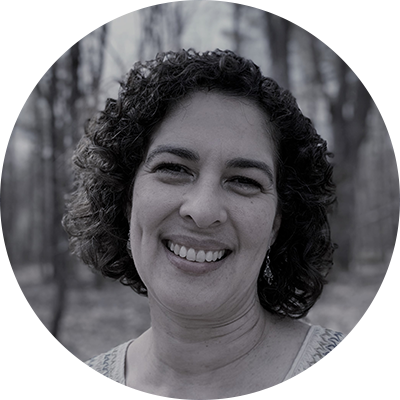 Stephanie has worked in the field of institutional advancement for over 20 years. Prior to joining SUNY Empire State College in 2013, she worked at The College of Saint Rose in Albany, NY and Skidmore College in Saratoga Springs, NY. She began her career in advancement as a grant writer, and has managed special events in addition to writing, scholarship management, financial reporting, and “other duties as assigned.”
 Our Premier Partner